
Metro: Women are pretending to be men on LinkedIn for more visibility
Across LinkedIn there’s a wave of women reporting that when they adjust their profiles to appear more masculine, sometimes changing their gender marker and adopting so-called “bro-coded” language, their visibility skyrockets. Stories from professionals have shown dramatic increases in profile views and reach after switching to traditionally masculine language or settings, sparking debates about algorithmic bias and professional platforms.
This isn’t just social media chatter. Women are experimenting with rewriting their profiles and posts in ways that mimic “masculine” styles of communication, prioritising words tied to action, authority and strategic leadership, and seeing far greater engagement than before. LinkedIn insists its systems don’t use gender as a ranking factor, but many users aren’t convinced.
From a leadership lens, this trend is both fascinating and troubling.
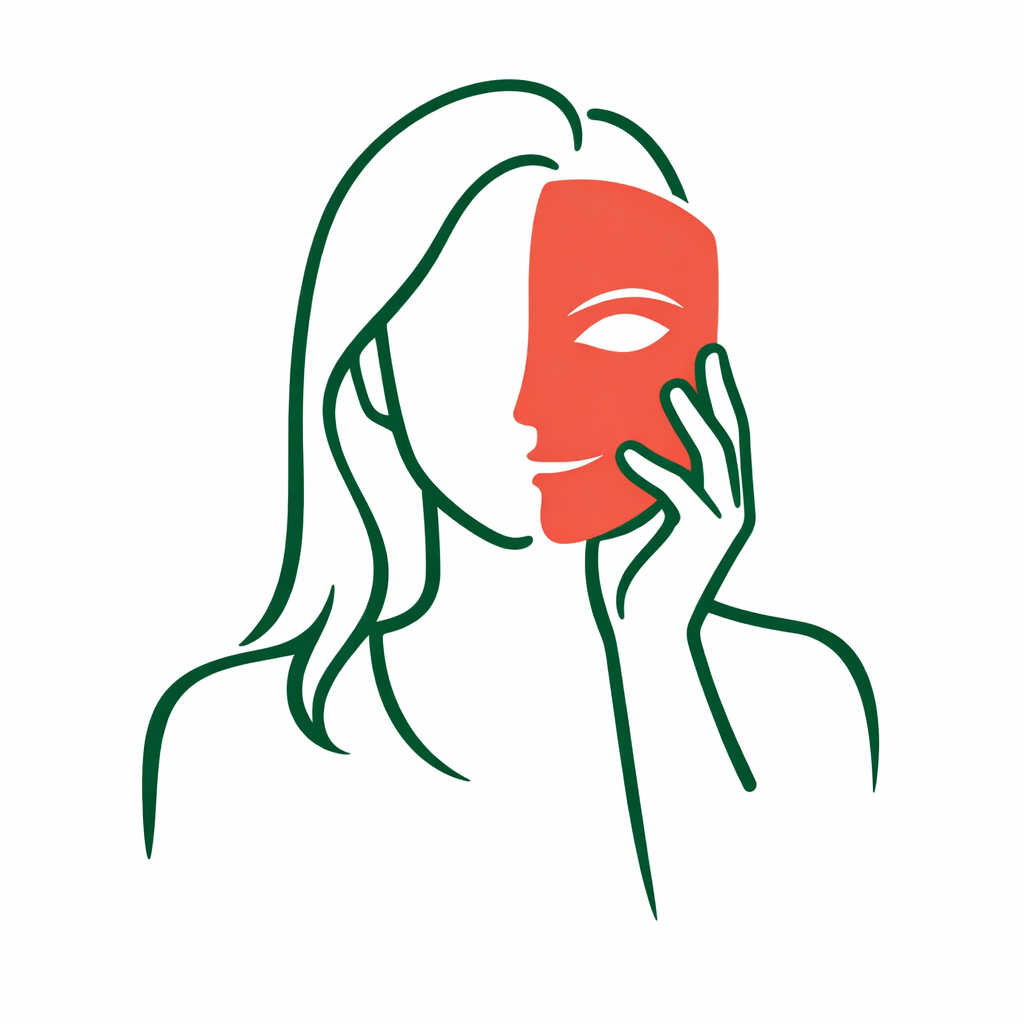
Authentic visibility shouldn’t require adopting someone else’s identity or diluting your voice just to be seen. When women feel obliged to mask themselves as “men” to cut through the noise, it reveals deeper challenges in what leadership and expertise look like online.
Instead of chasing algorithms, we need to build communication approaches rooted in authenticity and substance, not stereotypes.
”Consistency is simply showing up in the same voice, with the same values, over time. That’s what builds credibility and long-term engagement.”
Algorithmic platforms are shaped by human behaviours, human biases and human expectations. Those norms evolve only when we challenge them, not pretend to be someone else.
In a world where digital presence increasingly shapes opportunity, the real leadership question is this: How do we elevate voices that don’t fit a preset mould without asking them to change who they are?
Read the full article here.
Want to know more about coaching with me? Get in touch via email for a complimentary 15 minute chat.
